September 4, 2026
The Sleep Apnea Pill Is Real. So Is the Fine Print.

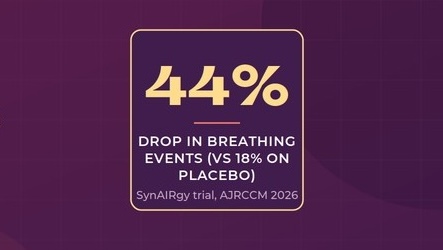
The first once-nightly pill for sleep apnea cleared a real Phase 3 trial, but the viral stat oversells it. What AD109 actually does, and who it's for.

.svg)



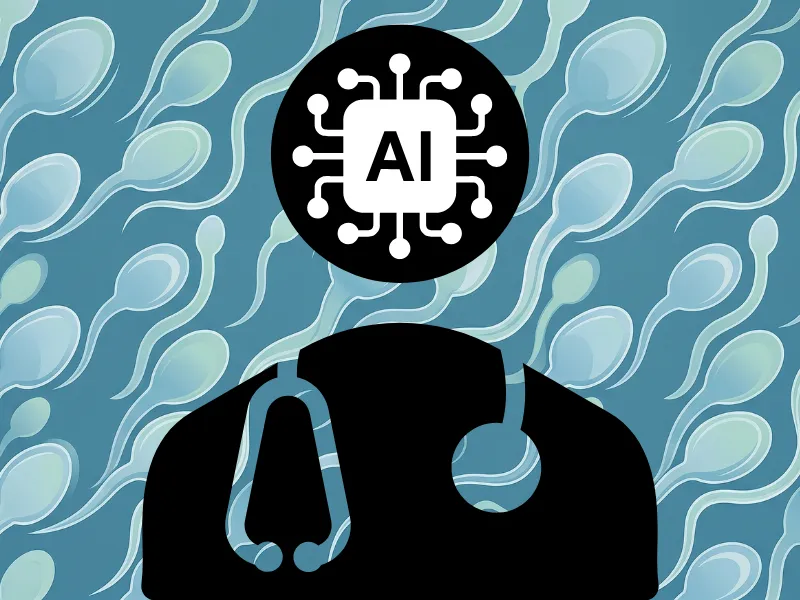
Artificial intelligence is quietly making its way into fertility clinics. But what does it actually do? Here's an honest look at where things stand today.
If you've been through IVF, you'll know how much depends on skilled people assessing tiny things like sperm samples, growing embryos, and follicle measurements.
That assessment is still largely manual, and while it's highly skilled work, it's also inherently subjective.
That's where AI is starting to come in- as a way to reduce that variability and support more consistent decisions across the lab.
Assessing sperm more objectively
Traditionally, sperm assessment has involved a trained analyst examining a sample by looking at how sperm move and what they look like.
It's skilled work, but results can vary between labs and analysts/andrologists. AI tools, on the other hand, analyse video footage or images of sperm samples, looking for patterns linked to fertilisation outcomes in a more standardised way.
Some systems are also being developed to help embryologists find a single viable sperm in real time during ICSI, the procedure where one sperm is injected directly into an egg. For men with very low sperm counts, this can currently take a long time, and AI could help speed it up.
One example is Columbia University Fertility Center’s STAR system, which uses AI, microfluidics, and robotics to search for rare sperm cells much faster than a human can. In one reported case, the STAR system helped a man with long-standing infertility and azoospermia when manual searches had failed.
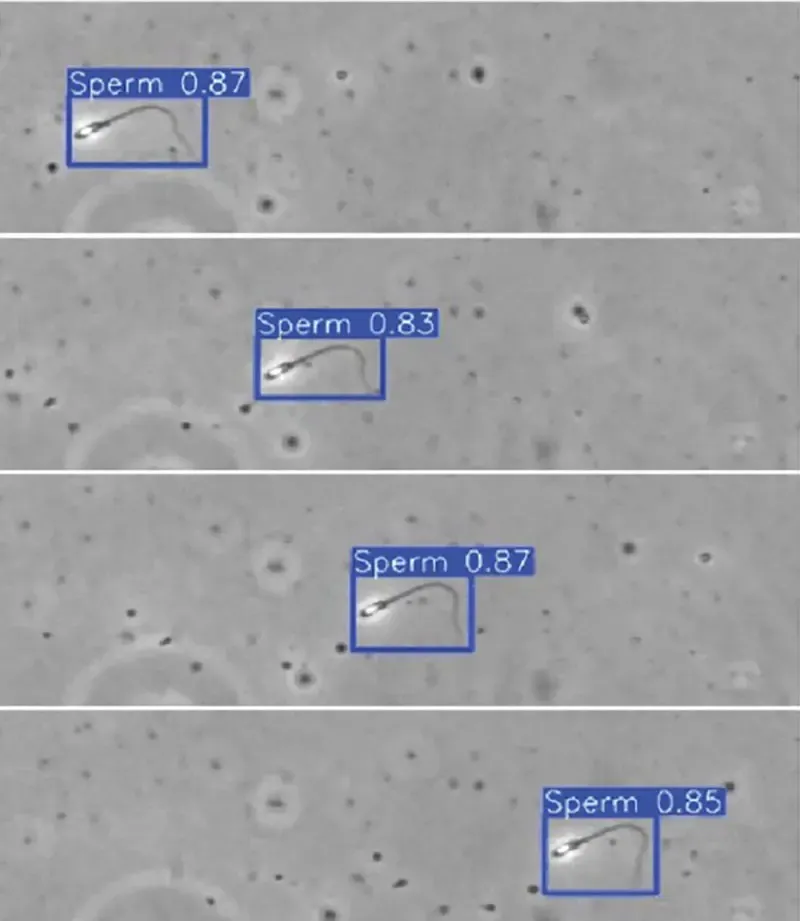
Columbia reports that it can scan over 8 million images in under an hour, and it has already helped some patients with severe male-factor infertility move forward to IVF.
And for patients, that often means a clearer, smoother path from testing to treatment decisions.
Choosing the best embryo for transfer
One of the most consequential decisions in IVF is which embryo to transfer. AI algorithms are trained on thousands of embryo images alongside outcome data, learning which visual features tend to be associated with successful implantation. The goal is consistent, data-informed ranking - not to replace the embryologist, but to support their decision.
Some tools go further by analysing time-lapse footage, a technique where embryos are photographed repeatedly in an incubator without being disturbed. AI can study the timing of developmental milestones (when the egg first divides, how regularly it divides after that) to build a more detailed picture of each embryo's health.
Worth knowing: AI grading tools produce a score or ranking for the embryologist to consider but they don't make the final decision. The embryologist just uses the AI grading as an added layer of information, while still being in charge of the final decision.
Personalising treatment planning
AI is also being used outside the lab in helping plan the cycle itself. Tools can predict how a patient's ovaries might respond to stimulation, suggest appropriate drug protocols, and advise on timing based on hormone levels and scan data.
That can help clinics choose a starting dose, adjust medication, and time the trigger more precisely. The goal is to make IVF feel a little less like trial and error, and a bit more tailored from the start.
A recent study by Bixby et al, suggests that AI may help standardize stimulation decisions by guiding more efficient FSH dosing without compromising mature oocyte outcomes.
In practice, that could matter not just for one cycle, but for future cycles too, because it gives clinicians a more data-driven starting point for personalizing treatment over time.
Is AI in IVF actually making a difference?
In some ways, yes. It’s already helping clinics bring more consistency to tasks like embryo assessment, sperm analysis, and stimulation planning, and the evidence keeps growing.
What AI seems to do best is apply the same criteria every time, without getting tired or distracted, which can be genuinely valuable in a field where so much depends on human judgment.
But it’s not replacing the people who do this work. Fertility treatment still depends on clinical experience, context, ethical judgment, and conversations that are deeply personal to each patient. So the most realistic future isn’t AI versus embryologists — it’s AI giving embryologists and doctors better information, so they can make better decisions together.

Navya Muralidhar is a former embryologist and reproductive health educator who is passionate about making fertility education more accessible. She holds a Bachelor’s degree in Genetics and a Master’s degree in Clinical Embryology, and her work and interests span IVF, PGT, IVM, and time-lapse technologies.
After working hands-on in IVF laboratories, Navya saw how confusing the fertility journey can feel when the science is not explained clearly. That experience inspired her to create her Instagram page, @embryopedia, where she breaks down complex embryology topics into clear, patient-friendly content, and to host All Things IVF, a podcast that helps demystify IVF and answer the questions people often hesitate to ask.
Now working in the femtech and healthcare space, Navya combines her scientific background with her passion for education to help people feel more informed and confident throughout their fertility journey.