September 18, 2026
Hashimoto's, Minus the Panic

Hashimoto's antibodies aren't an emergency, and no diet reverses it. What the condition actually is, when treatment starts, and which fixes fall apart.

.svg)




Congratulations—you're pregnant! But PCOS is in the picture too, and you're probably wondering how it's going to affect things. Don't worry. PCOS can feel like a lot to juggle, but it doesn't have to derail your pregnancy. Let's walk through some practical dos and don'ts to keep things on track.
A healthy pregnancy begins before the egg and sperm even meet. Focus on nutrient-packed foods—fruits, veggies, whole grains, healthy fats, and lean protein—that fuel your body in the best way possible. And don't skip the prenatal vitamin with folic acid; it's essential for neural tube development.
People with PCOS are more prone to insulin resistance, gestational diabetes, high blood pressure, and even preeclampsia. By keeping an eye on things, you can keep these risks low.
If you've been struggling to get pregnant, you're likely on medications or supplements like inositol, metformin, or progesterone. Inositol is generally safe during pregnancy and can be continued, though many stop it after the first trimester. Metformin is commonly used for insulin resistance in PCOS, but its use during pregnancy can vary—some doctors recommend continuing it, while others may suggest stopping once pregnant. Progesterone is often prescribed to support early pregnancy and is typically continued until 10–12 weeks (or longer for multiples). Always consult your healthcare provider to determine what's best for your situation.
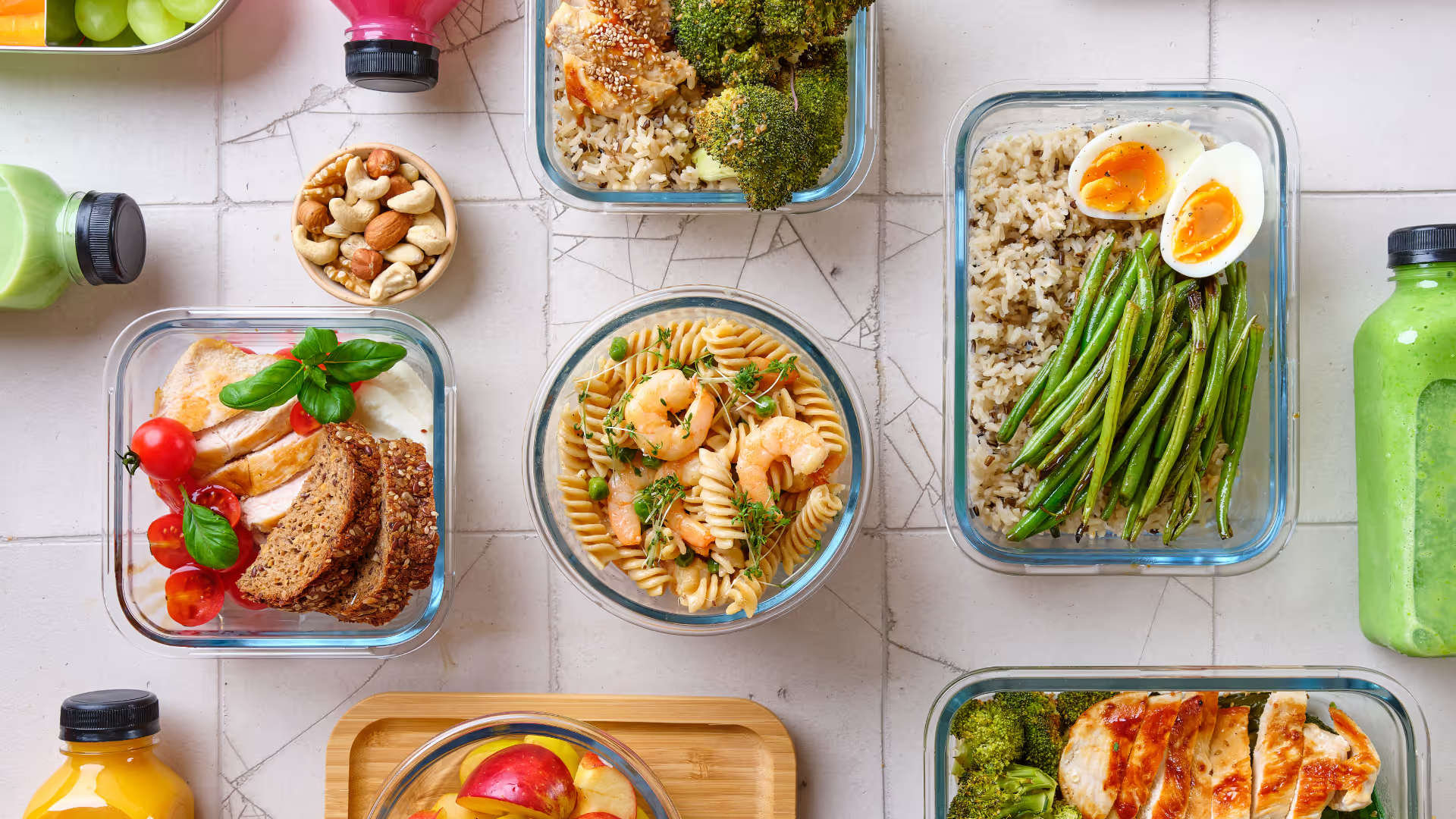
PCOS is all about metabolic health, and what you put in your body plays a huge role in managing symptoms. Your nutrition plan should focus on:
Weight gain during pregnancy is normal and expected, but aim for a steady pace—not too fast and not too slow. This helps avoid complications like gestational diabetes or high blood pressure. Chat with your doctor about what's right for your body.
Exercise is a game-changer when it comes to managing PCOS during pregnancy. It helps with weight management, keeps blood pressure down, and boosts overall health. The key is moderation—low-impact options like prenatal yoga, walking, and swimming are ideal. They also help keep stress levels in check.
Hormones are unpredictable during pregnancy, and PCOS can add another layer of complexity. Mood swings, anxiety, and stress are real. Check in with yourself and recognize when you need support—whether that's from your partner, friends, family, or a mental health professional. Therapy, meditation, support groups, and stress-relief techniques like deep breathing can be lifesavers. Your mental health is just as important as your physical health.
During a PCOS pregnancy, some symptoms are completely normal: extra fatigue (especially in the first trimester), morning sickness, light spotting or mild cramping, skin changes like acne, weight gain, and mood swings.
However, some symptoms should never be ignored. Seek immediate care for:
Always listen to your body—if something feels off, contact your doctor.
Keep up with regular check-ups. Your OB and family doctor will monitor your weight, blood pressure, insulin levels, gestational diabetes risk, and your baby's health. They'll spot any issues early before they become major concerns. And remember, the myStoria Concierge team is here for the long haul—supporting you every step of the way, not just while you're trying to conceive.
PCOS doesn't have to steal your pregnancy joy. With the right care and mindset, you've got everything you need to manage this and still have a peaceful pregnancy. You've got this.

With a background in nursing and a genuine passion for care, Jessie supports myStoria members as part of the Concierge team.