September 2, 2026
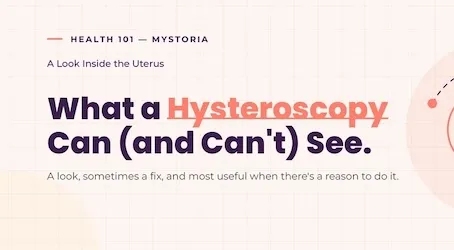
Hysteroscopy: What a Camera in the Uterus Can (and Can't) Tell You

A hysteroscopy is the clearest view inside the uterus. Good for fixing a real problem, but oversold as a routine screen. When it helps, and when to ask.

.svg)




An interview with our Medical Advisor, Dr. Meivys Garcia, Medical Director & Co-Owner of Markham Fertility.
Autoimmune disorders are sometimes discussed in the context of fertility. Still, while these conditions can affect reproductive health in some instances, many people with autoimmune diseases have no difficulty conceiving and go on to have healthy pregnancies. It's also important to note that infertility and miscarriage alone are not necessarily signs of an autoimmune condition in the absence of other symptoms or risk factors. To provide clarity and reassurance, we spoke with Dr. Meivys Garcia about the relationship between autoimmune disorders and fertility.
Autoimmune disorders occur when the immune system mistakenly targets the body's own tissues, viewing them as threats. Examples include lupus, Hashimoto's thyroiditis, and rheumatoid arthritis. These conditions vary widely in severity, and their impact on fertility depends on factors such as disease activity, treatment, and overall health.
Although autoimmune disorders can sometimes affect fertility, many individuals with these conditions conceive and carry pregnancies successfully, particularly when their condition is well-controlled. Effective management and close collaboration with healthcare providers are vital in supporting positive outcomes.
Not all autoimmune disorders affect fertility, but some may warrant additional monitoring:
Navigating fertility with an autoimmune condition often involves questions about medication. The approach depends on the type of medication and your specific condition:
Proactive planning and open communication with your healthcare team can help you confidently move forward.
Catching an autoimmune disorder early can make all the difference. Many conditions go undetected for years, but early diagnosis allows for proactive care, reducing risks and improving fertility outcomes.
The future looks bright. Research in immunology and reproductive health is evolving quickly, with personalized medicine, immunotherapy, and targeted treatments offering real hope. Advances in genetic testing and precision medicine mean care can be tailored to each individual's needs.
Managing an autoimmune condition while pursuing parenthood can feel overwhelming, but it's important to remember you're not alone. Your fertility goals are within reach with the right medical team, proactive care, and a customized treatment plan. Advocate for yourself, stay informed, and trust the process—you've got this.
Final thoughts from Dr. Garcia: "The connection between autoimmune disorders and fertility is complex, but it doesn't have to be daunting. Excellent outcomes are possible with a thoughtful, personalized approach and proactive management. Patients should feel empowered to work closely with their fertility specialists and confidently pursue their family-building goals."
For more insights and resources from Dr. Garcia, follow her on Instagram and explore her podcast:
Author: Hailey Rodgers | Medically Reviewed By: Dr. Meivys Garcia