July 15, 2026
Sperm Analysis, Decoded

A semen analysis measures count, motility, and morphology against a reference group. Here's what it can and can't actually check.

.svg)




"Not a soul could possibly understand this grief without going through it themselves." — Jennifer DiGiacomo, myStoria Ambassador
These powerful words capture the heartbreaking isolation that comes with infertility. It's a grief that's hard to put into words—one that often goes unseen, even by those who love us. But infertility is real, and it's far more common than society lets on.
If you've ever felt like the only one struggling to conceive while the world around you celebrates with baby announcements and gender reveals, you're not alone. Infertility is not some rare, niche issue—it's a reality that millions of people face.
Infertility is the medical term for not being able to conceive after a year of regular, unprotected sex (or six months if you're over 35). It also includes people who can get pregnant but experience recurrent pregnancy loss.
Infertility isn't just a female issue, despite what outdated narratives might suggest. It affects all genders. About one-third of infertility cases are due to female factors, one-third to male factors, and one-third are either a combination or unknown causes.

1 in 6 couples worldwide experiences infertility. That's not a small, unlucky group—it's a massive portion of the population. Yet it's still something people whisper about in hushed tones.
As The IVF Warrior shares, it's common to experience a mix of emotions—grief, anger, frustration, and disappointment. The emotional toll of seeing negative pregnancy tests, undergoing invasive treatments, or dealing with pregnancy losses can feel overwhelming. And sometimes, the hardest part is facing these emotions while trying to maintain hope for the future.
It's also about navigating a medical system that often treats fertility as a luxury rather than a fundamental part of health, and battling the stigma that makes people feel like their bodies are broken when, in reality, infertility is a medical condition—not a personal failure.
Because infertility shatters the glossy, picture-perfect version of life we're all conditioned to chase. Because people feel guilty, ashamed, or like they've somehow "failed" at something everyone else seems to do effortlessly. And because society still struggles with how to talk about reproductive health in an open, supportive way.
But here's the truth: talking about infertility helps. It normalizes the experience, reduces isolation, and pushes for better research, funding, and healthcare policies.
As Jennifer DiGiacomo wisely puts it: "There is no shame in this journey. There's nothing to feel guilty, ashamed, or embarrassed about. We're living in a fertility crisis that no one wants to address because of the stigma still surrounding it. This journey is HARD, and those who face it are absolute warriors."
Infertility is common. It's not just a personal problem; it's a societal one. It deserves awareness, support, and real solutions—not just the old "just relax and it'll happen" nonsense. Whether you're in the thick of fertility treatments, considering your options, or trying to be a better support system for someone who is, remember: infertility isn't a whispered struggle. It's time we talk about it with honesty, compassion, and a little bit of fire.
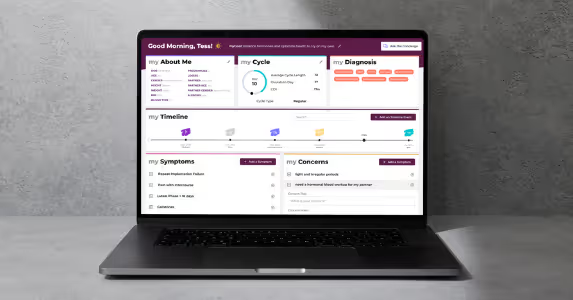
Navigating infertility can feel overwhelming, but you don't have to do it alone. myStoria is here to help you take control of your fertility journey with the most robust diagnostic advocacy tool available—from organizing medical documents to helping you advocate for the best care. Join today and be part of a community that's rewriting the fertility journey—on your terms.

myStoria is a digital fertility partner designed to address the complexities of infertility care. By providing tools for advocacy and support, myStoria helps users reduce the time, cost, and life disruption on their path to parenthood. Founded by a team of individuals who have experienced the challenges of infertility firsthand, myStoria is committed to creating a future where every fertility journey is met with clarity, compassion, and confidence.