September 18, 2026
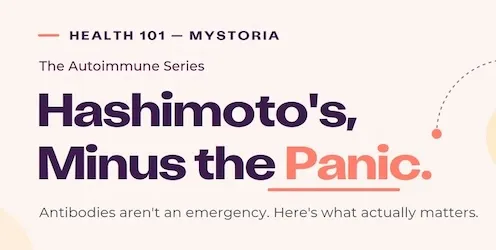
Hashimoto's, Minus the Panic

Hashimoto's antibodies aren't an emergency, and no diet reverses it. What the condition actually is, when treatment starts, and which fixes fall apart.

.svg)




If you've ever felt like the week before your period takes over your whole life, your mood, your energy, your relationships, you're far from alone. Up to 90% of people who menstruate experience at least one premenstrual symptom. But there's a big difference between common PMS and a more serious condition called PMDD, and knowing which one you're dealing with can change everything.
What is PMS?
Premenstrual syndrome (PMS) is a combination of physical and emotional symptoms (bloating, fatigue, mood swings, food cravings, breast tenderness) that show up in the week or two before your period and ease once it starts. It can be uncomfortable and disruptive, but it generally doesn't stop you from functioning.
What is PMDD?
Premenstrual dysphoric disorder (PMDD) is not just "really bad PMS." It's a recognised depressive disorder (listed in both the DSM-5 and WHO's ICD-11) where severe mood symptoms significantly interfere with your daily life, work, and relationships.
To meet diagnostic criteria for PMDD, you must have at least five symptoms in the week before your period, including at least one of these core mood symptoms:
✨ Marked mood swings, sudden sadness, or increased sensitivity to rejection
✨ Intense irritability, anger, or increased interpersonal conflicts
✨ Depressed mood, feelings of hopelessness, or self-deprecating thoughts
✨ ...



With a background in nursing and a genuine passion for care, Jessie supports myStoria members as part of the Concierge team.