
January 13, 2025
What to Say to Someone Who Had a Miscarriage

Discover how to support someone grieving a miscarriage with empathy, practical help, and thoughtful gestures.
.svg)
However you are feeling, you do not have to hold it all on your own.
Private by design, and general guidance to help you make the most of your visit. Not a substitute for medical advice.



An early pregnancy loss appointment is where a provider confirms what is happening, checks your health, and talks through your options and care. There is no right way to feel, and going in with a few notes can make a hard conversation a little easier. Here is what to prepare, what to ask, and how to follow up.
Note when your symptoms started, such as bleeding, cramping, or a change in pregnancy symptoms, and how heavy any bleeding has been. Note the date of your last period and any positive test, so your provider can estimate how far along you were.
List your current medications, allergies, and any past pregnancies or losses. It can help to bring someone with you, or to write your questions down in advance, since it is hard to think of them in the moment.
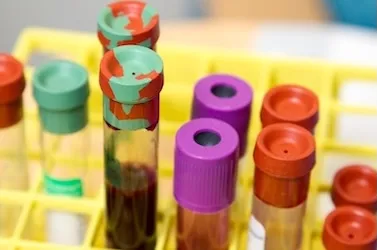
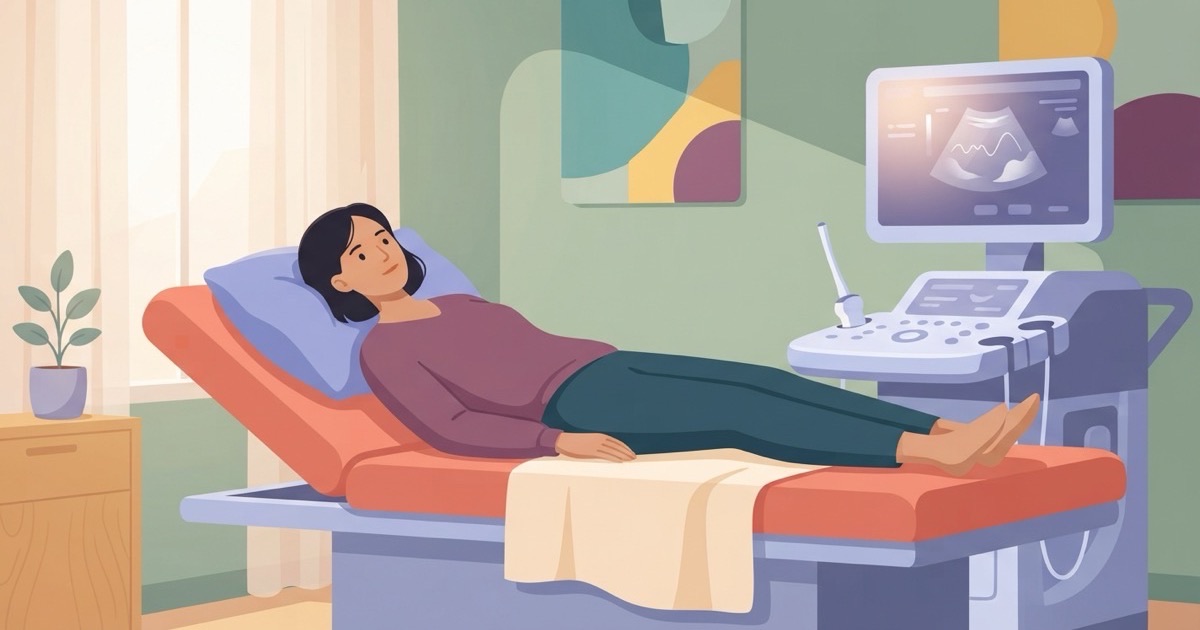
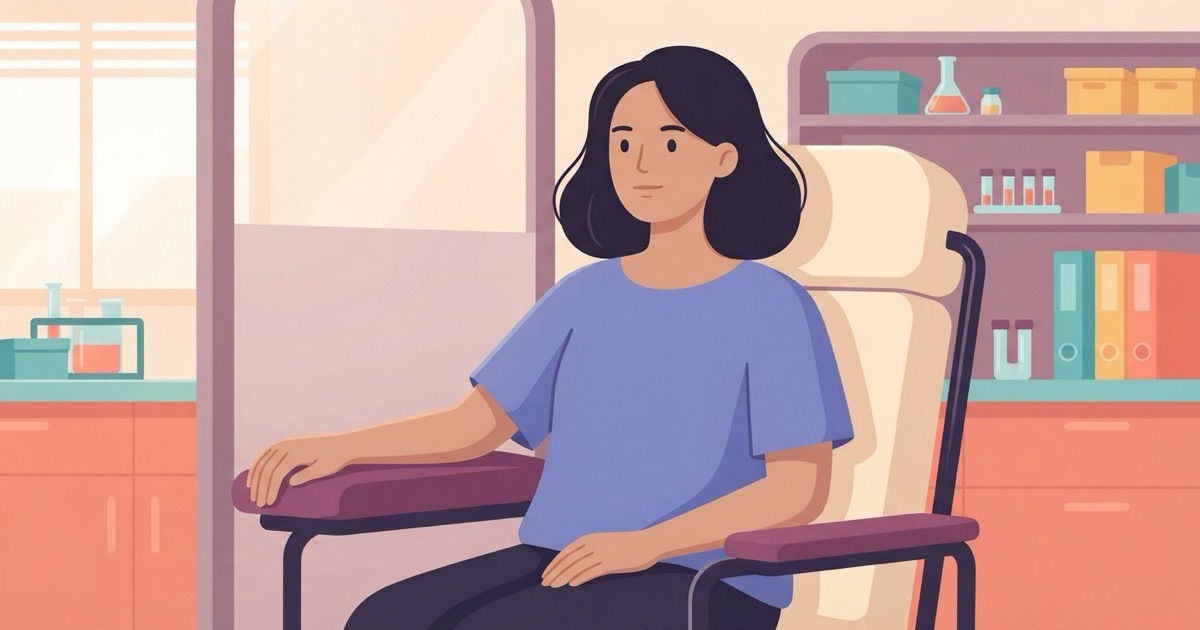
Your provider may examine you, arrange an ultrasound or blood test, and explain the options for managing the loss. Take the space to ask anything, and it is okay to slow the conversation down or ask for something to be repeated.
Take notes as the doctor talks, record the meeting (with their permission!) in myStoria, or add a quick voice note to myStoria as soon as possible afterward so that you are not relying on memory alone.
Before you leave the clinic, ask for copies of anything from the visit, like lab results, assessments, or referrals, and upload them to myStoria to keep your history complete. (If you aren't able to get copies, connect with Concierge and we can help you source them!)
Note the plan you agreed on and any signs to watch for, and rest as much as you can. Physical recovery and emotional recovery do not always move at the same pace, and both are worth tending to.
If you have very heavy bleeding, soaking a pad an hour, severe pain, fever, or foul-smelling discharge, seek urgent care. When you are ready, a follow-up visit can cover healing, how you are feeling, and any questions about the future.
myStoria keeps your dates, symptoms, and questions in one private place, so a difficult visit starts from a clear picture and nothing important gets lost. Everything stays with you between visits, so if questions come up later they are easy to pick up. When you want to talk something through, you can schedule a video consult in advance with a member of our team, several of whom are nurses.
This page offers general information to help you prepare for and follow up on an early pregnancy loss appointment. It is not medical advice, diagnosis, or treatment. If you have very heavy bleeding, severe pain, fever, or foul-smelling discharge, seek urgent care. If you are struggling emotionally, you deserve support, and your provider can help you find it. myStoria video consults are scheduled in advance.