.svg)
Show up with the full picture. Get a plan that protects the tendon.
General guidance to help you make the most of your visit. Not a substitute for medical advice.
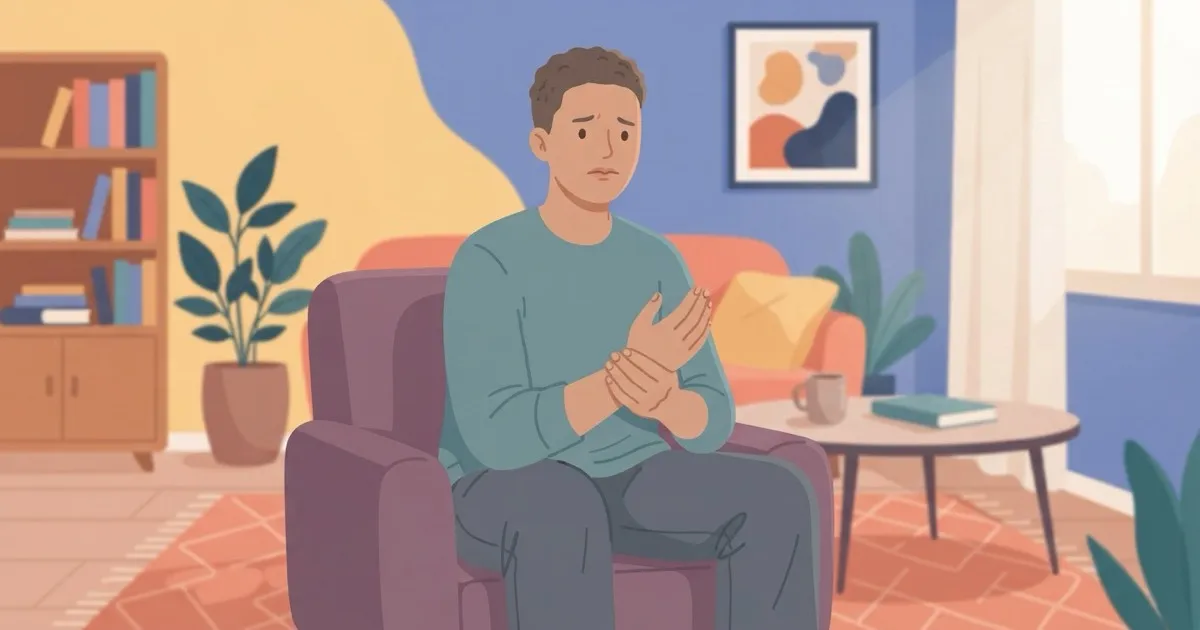


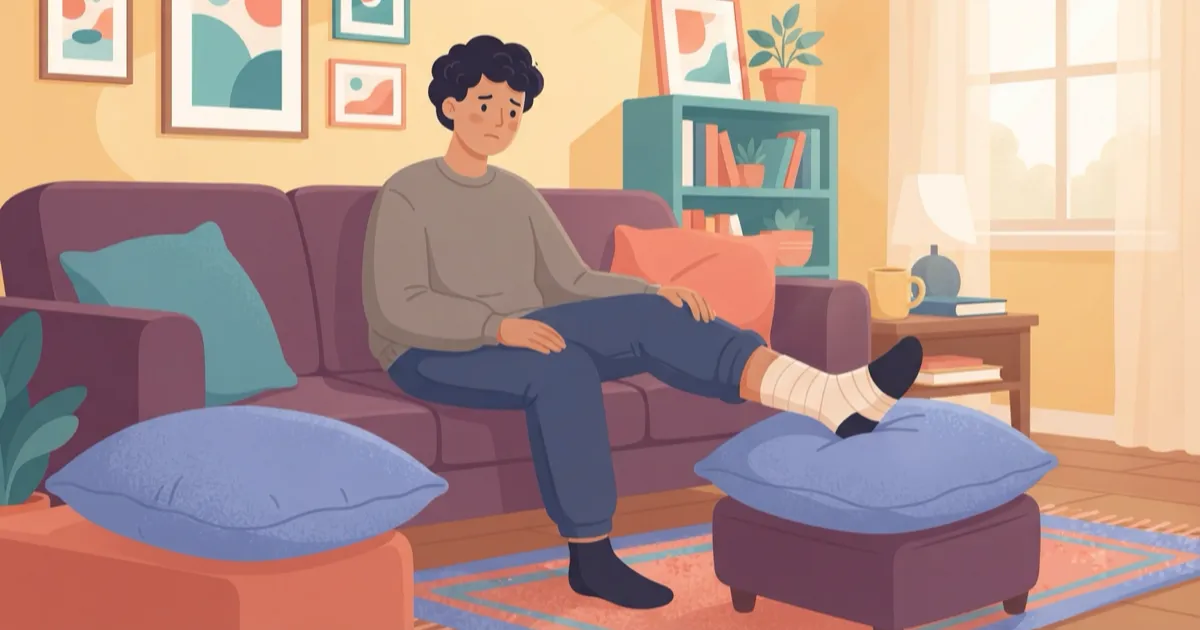
Tendonitis usually comes from overuse, and it responds best to a clear plan and time. The details you bring help your doctor pinpoint the cause and set the right pace for recovery.
Note where the pain sits, when it started, and the activity that seems to trigger it, whether it is work, sport, or a repeated motion. Track whether it hurts at rest, with use, or the morning after.
List what has helped or not helped, from rest to ice to over-the-counter relief. Bring your activity level, your job demands, and any past injury to the same area.
Expect your doctor to check the area for tenderness and range of motion and ask about your daily activities. Lead with your notes so the visit centers on a recovery plan you can follow.
Take notes as the doctor talks, record the meeting (with their permission!) in myStoria, or add a quick voice note to myStoria as soon as possible afterward so that you are not relying on memory alone.
Before you leave the clinic, ask for copies of anything from the visit, like lab results, assessments, or referrals, and upload them to myStoria to keep your history complete. (If you aren't able to get copies, connect with Concierge and we can help you source them!)
Ease back into activity at the pace you were given, and keep a short note on pain with specific movements. Steady, gradual loading is usually what lets a tendon settle.
If pain sharply worsens, you lose strength, or there is no improvement in the timeframe you discussed, book a follow-up rather than pushing through.
myStoria keeps your symptom history, medications, and questions together, so you walk into each appointment ready and pick up cleanly at the next one. When you want guidance between visits, you can schedule a video consult in advance with a member of our team, several of whom are nurses.
This page offers general information to help you prepare for and follow up on your tendonitis appointment. It is not medical advice, diagnosis, or treatment. If you have sudden severe pain, loss of movement, or a visible deformity after an injury, seek care promptly. myStoria video consults are scheduled in advance.