October 2, 2026
The Iron Cutoff Was Set Too Low. It Just Went Up.

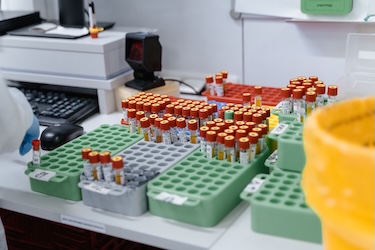
New 2026 ASH guidelines raised the ferritin level that counts as iron deficient. Why your bloodwork may have been called normal, and the number to ask for.

.svg)



You know it from allergy season. But histamine also runs your stomach, your sleep, and your immune defense. The trouble only starts when there's too much of it, in the wrong place.
Most people meet histamine exactly once, in the pharmacy, in the word antihistamine. It's the thing you take a pill to shut down: the runny nose, the itchy eyes, the hives.
That's true, but it's the smallest part of the story. Histamine is a chemical your body makes on purpose, and a few things you do every day, digest, stay awake, fight off an infection, don't work without it.
Histamine is a messenger. Your body makes it, stores it, and releases it to tell other cells to do something. Most of the supply sits packed inside immune cells called mast cells (and their cousins in the blood, basophils), waiting to be dumped out when they're triggered. Some is made fresh on the spot, in places like your stomach and your brain.
Once it's released, histamine works by landing on four kinds of receptors, named H1 through H4. Which one it hits decides what happens: an itch, a squirt of stomach acid, a jolt of alertness. Histamine isn't good or bad on its own. It depends on where it lands and how much of it ...



With a background in nursing and a genuine passion for care, Jessie supports myStoria members as part of the Concierge team.