
January 14, 2025
Does Endometriosis Really Matter in Fertility?

Dr. Rahi Victory breaks down endometriosis’ impact on fertility, health risks, and treatment options, empowering patients with expert insights.
.svg)
Know what happens. Recover with a plan.
Private by design, and general guidance to help you make the most of your visit. Not a substitute for medical advice.
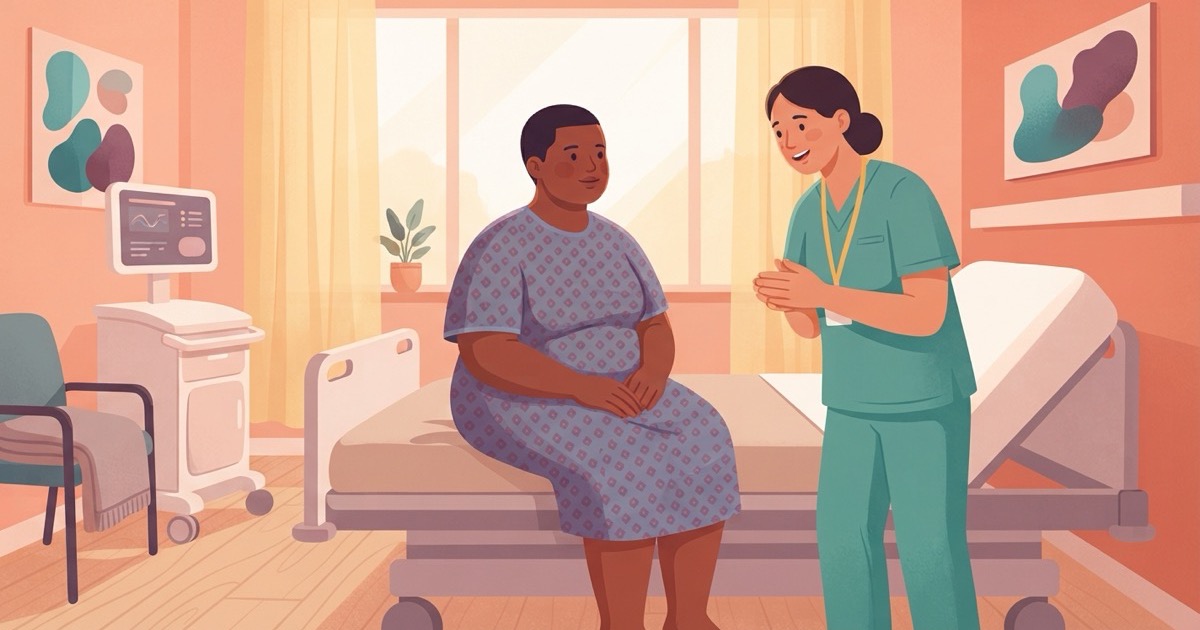


A diagnostic laparoscopy is keyhole surgery that lets your provider look directly at your pelvic organs, often to investigate pain, endometriosis, or unexplained fertility questions. It is done under anesthesia, so a little planning helps. Here is what to prepare, what to ask, and how to follow up.
Confirm when to stop eating and drinking, which medications to pause, and what time to arrive. Arrange a ride home and someone to stay with you, since you cannot drive after anesthesia.
Write down your symptoms, their timeline, and why the surgery was ordered. List your medications and allergies, and note any past surgeries or reactions to anesthesia so the team can plan around them.
You will meet the surgical and anesthesia teams before you go under, which is the time to raise any last questions. Small incisions and gas are used to see clearly, so shoulder or belly discomfort for a day or two afterward is common.
Take notes as the doctor talks, record the meeting (with their permission!) in myStoria, or add a quick voice note to myStoria as soon as possible afterward so that you are not relying on memory alone.
Before you leave the clinic, ask for copies of anything from the visit, like lab results, assessments, or referrals, and upload them to myStoria to keep your history complete. (If you aren't able to get copies, connect with Concierge and we can help you source them!)
Note what the surgery found and any change to your plan, and give yourself the recovery time your surgeon suggested. Keep the discharge instructions and your notes together so nothing gets lost.
If you have a fever, worsening pain, redness or drainage at an incision, or trouble breathing, seek care rather than waiting. Otherwise, book the follow-up where your surgeon walks through what they found.
myStoria keeps your symptoms, results, and questions in one private place, so each appointment starts from a clear picture and nothing gets forgotten. Everything stays with you between visits, so your pre-op prep and recovery notes stay together. When you want to talk something through, you can schedule a video consult in advance with a member of our team, several of whom are nurses.
This page offers general information to help you prepare for and follow up on your diagnostic laparoscopy. It is not medical advice, diagnosis, or treatment. If you have a fever, worsening pain, or drainage from an incision afterward, seek care. myStoria video consults are scheduled in advance.


