October 14, 2026
Type 1, Type 2, Prediabetes: What's Different

Type 1, type 2, and prediabetes are three different stories, not one. How each one starts, why it’s not your fault, and which tests to ask for.





What the new ASH guidelines change, and the number to ask for.
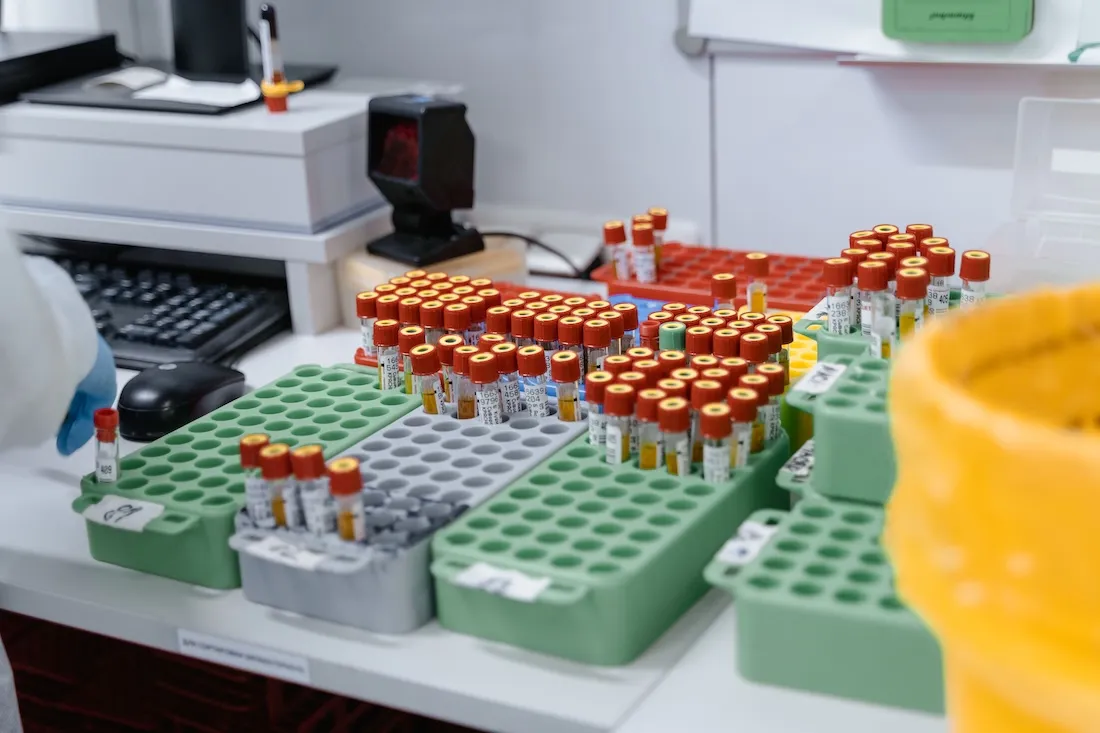
On September 16, 2026, the American Society of Hematology (ASH) released its first evidence-based guidelines for diagnosing iron deficiency. The short version: the ferritin level that counts as "too low" just went up (Powers et al., 2026).
That matters more than it sounds. For years, your bloodwork could come back "normal" while your iron stores sat near empty. The old number wasn't catching people. The new one is built to.
Iron deficiency is usually diagnosed with a blood test for ferritin, the protein that stores iron. Below a set number, you're considered deficient. ASH raised that number across the board (American Society of Hematology, 2026; Powers et al., 2026):



With a background in nursing and a genuine passion for care, Jessie supports myStoria members as part of the Concierge team.