September 30, 2026
Sleep Apnea, Hiding in Plain Sight

Sleep apnea is a breathing problem you sleep right through, and 9 in 10 at risk go undiagnosed. Why it hides, how it differs in women, and what helps.

.svg)



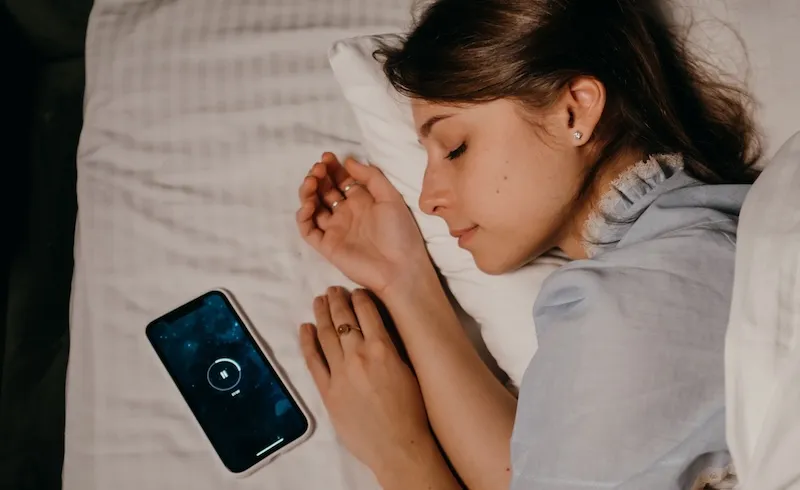
Sleepmaxxing was the wellness win of the year. Optimize every input, the feeds promised, and perfect sleep follows. Mouth tape, magnesium mocktails, a $300 ring, a mattress that chills itself to 65 degrees, a score to check the second you wake up.
This month the story turned. The BBC, Harvard Health, and the wellness industry's own trend-watchers are all running the same correction: for a lot of people, chasing the perfect sleep score is making sleep worse. There's a clinical name for it now. Orthosomnia.
The word comes from a 2017 paper by sleep researcher Kelly Baron and colleagues. It's built to rhyme with orthorexia, the eating disorder where the obsession with clean eating becomes the problem. Orthosomnia is the same shape: the hunt for perfect sleep becomes the thing wrecking your sleep.
Baron's team kept seeing the same patient. Someone convinced they had a sleep disorder, not because of how they felt, but because their tracker said so. One patient trusted a Fitbit over an actual clinical sleep study that said she was fine. Others started spending extra hours in bed trying to raise their numbers, which is the one thing ...


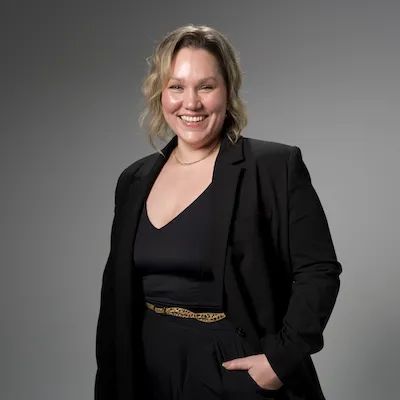
Carly Malo is myStoria's Head of Concierge. She has 2 decades of experience in direct nursing care, having worked in long-term care, sports medicine, practical nursing, and fertility/reproductive health.