
July 1, 2026
Know Your Fibroids

Most people learn what fibroids are at an ultrasound. That's a bit late. Here's what they are, where they grow, and some of your treatment options.
.svg)
Know what happens. Go in at ease.
Private by design, and general guidance to help you make the most of your visit. Not a substitute for medical advice.


A hysteroscopy lets your provider look inside your uterus with a thin, lighted scope, often to check bleeding, polyps, fibroids, or the lining before fertility treatment. Knowing what happens makes it easier. Here is what to prepare, what to ask, and how to follow up.
Ask whether the timing depends on your cycle, since it is often scheduled in the first half, and whether to take a pain reliever beforehand. Note the first day of your last period and any bleeding pattern you have noticed.
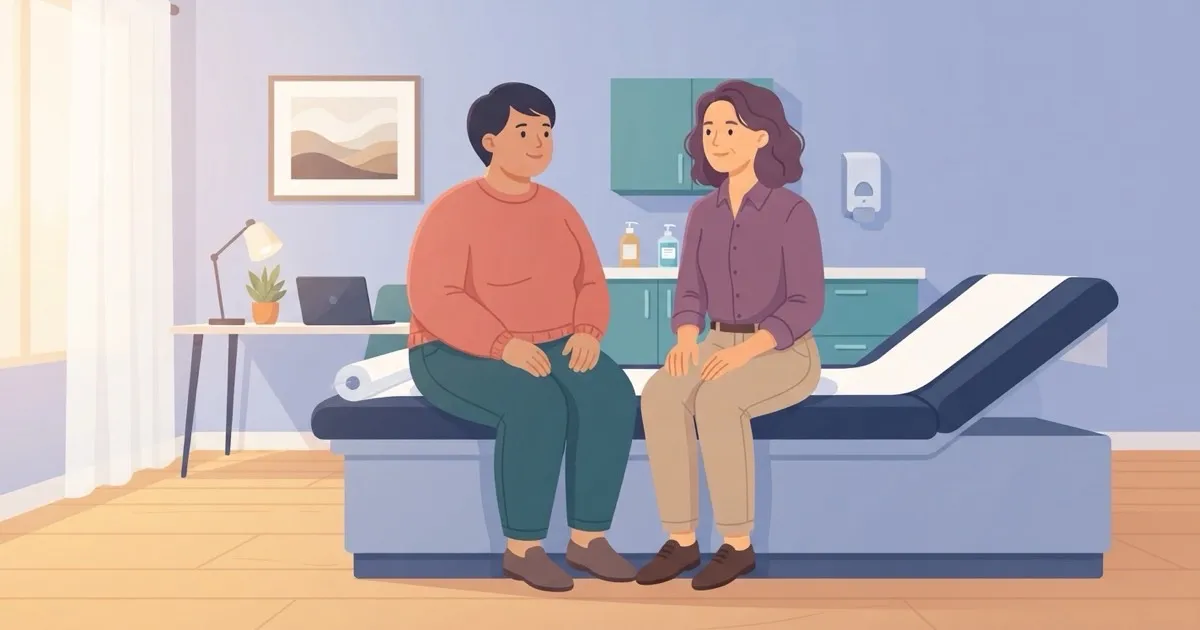
Write down why the procedure was ordered and what you hope to learn. List your current medications, including any fertility medications, and note past uterine procedures or difficult exams so your provider can plan for your comfort.
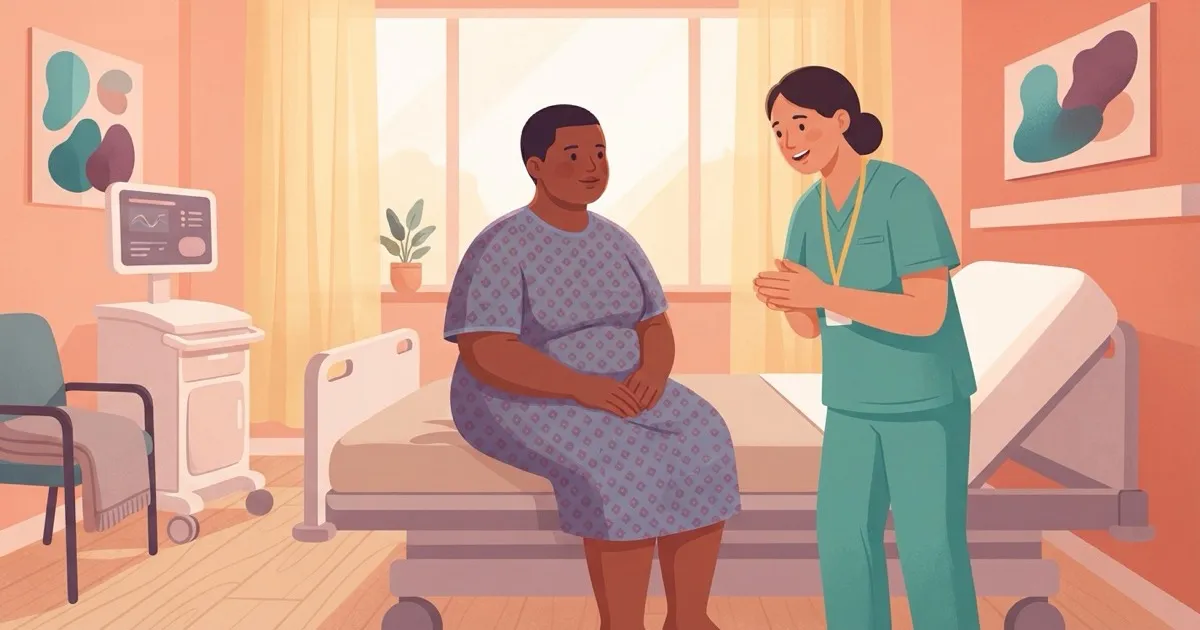
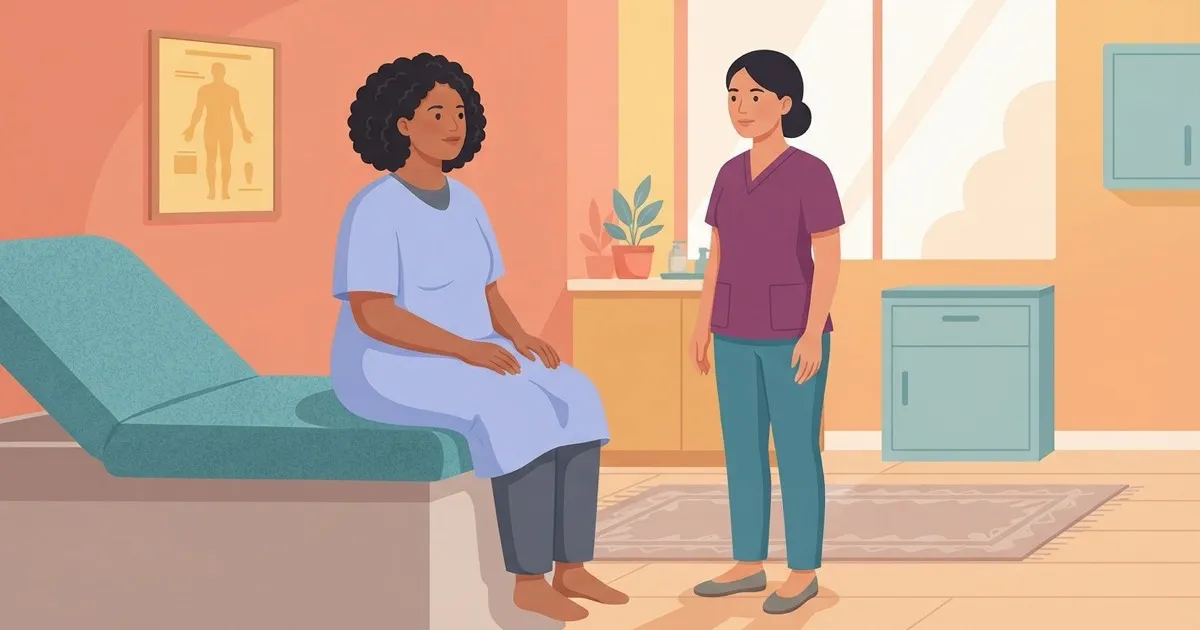
The scope passes through your cervix, so you may feel cramping or pressure, and it is usually quick. You can ask the team to talk you through each step, and you can pause at any point. Bring your questions so nothing gets missed.
Take notes as the doctor talks, record the meeting (with their permission!) in myStoria, or add a quick voice note to myStoria as soon as possible afterward so that you are not relying on memory alone.
Before you leave the clinic, ask for copies of anything from the visit, like lab results, assessments, or referrals, and upload them to myStoria to keep your history complete. (If you aren't able to get copies, connect with Concierge and we can help you source them!)
Note what the hysteroscopy showed and any change to your plan or next steps. Light cramping or spotting for a day or two is common, so rest as you need to and keep your notes with the rest of your records.
If you have heavy bleeding, severe pain, fever, or foul-smelling discharge, contact your provider rather than waiting. Otherwise, book any follow-up or next step your provider suggested.
myStoria keeps your results, cycle day, and questions in one private place, so each appointment starts from a clear picture and nothing gets forgotten. Everything stays with you between visits, so a series of procedures reads as one story rather than scattered notes. When you want to talk something through, you can schedule a video consult in advance with a member of our team, several of whom are nurses.
This page offers general information to help you prepare for and follow up on your hysteroscopy. It is not medical advice, diagnosis, or treatment. If you have heavy bleeding, severe pain, or fever afterward, contact your provider. myStoria video consults are scheduled in advance.