September 30, 2026
Sleep Apnea, Hiding in Plain Sight

Sleep apnea is a breathing problem you sleep right through, and 9 in 10 at risk go undiagnosed. Why it hides, how it differs in women, and what helps.





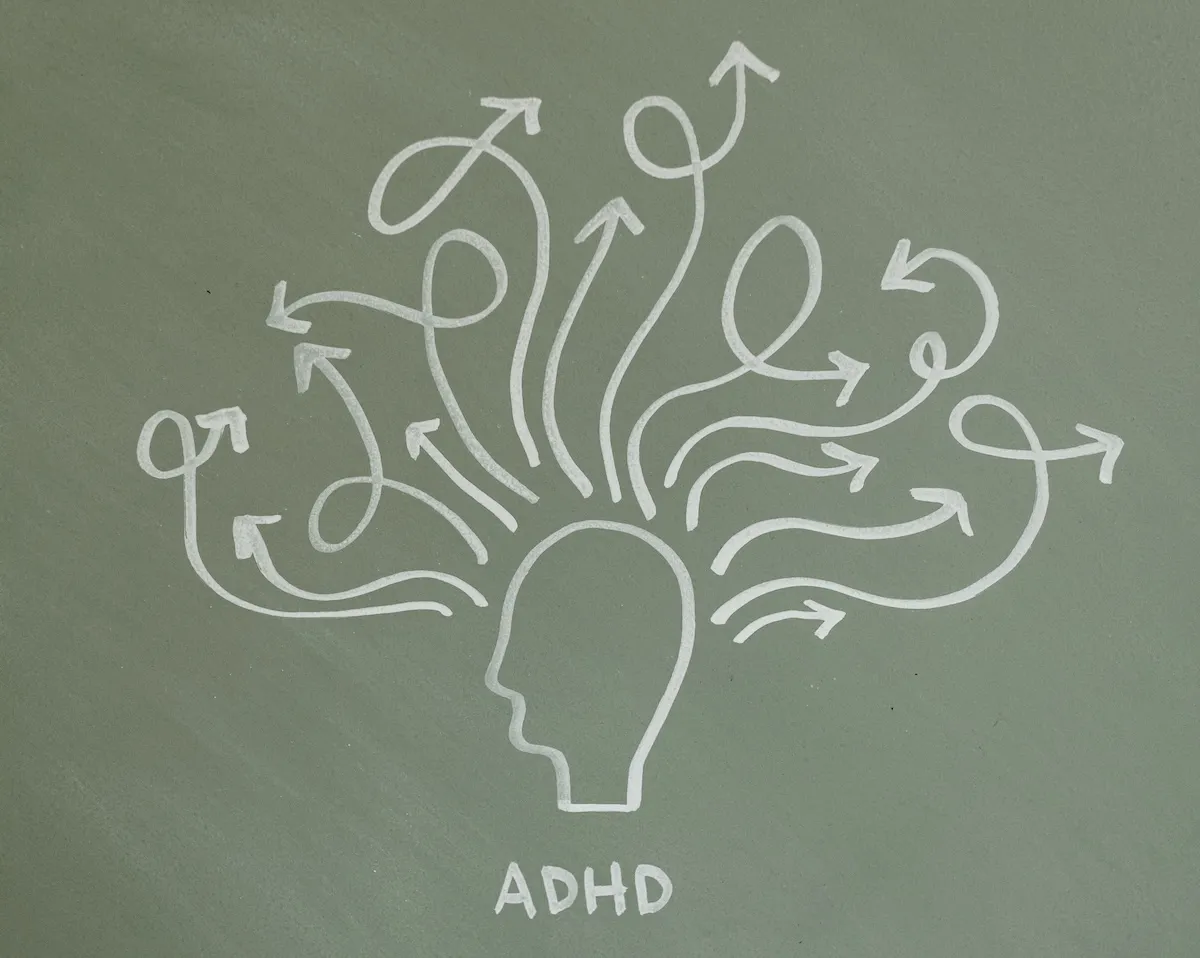
The hyperactive-kid image is a sliver of the picture. The rest of it goes unnamed, most often in women.
Almost everyone was handed the same picture of ADHD: a boy who can't sit still. That picture is accurate for some people. It's also a fraction of the story, and it's the reason a lot of people reach adulthood exhausted, hard on themselves, and with no name for what they've been fighting.
The standard picture wasn't wrong by accident. It was built around who got studied. Here's what ADHD actually is, and where that version falls apart.
ADHD is a self-regulation condition, not an attention-only one. It's neurodevelopmental, meaning the brain develops and runs a little differently from early on, and it mostly affects executive function, the set of mental tools you use to start tasks, manage time, hold information in your head, filter impulses, and steady your emotions. The wiring that runs those tools, including how the brain uses dopamine, works differently in ADHD (CADDRA, 2020; Faraone et al., 2021).
The name works against it. "Attention deficit" sounds like there's no attention at all. It's closer to ...



With a background in nursing and a genuine passion for care, Jessie supports myStoria members as part of the Concierge team.