


May 1, 2026
Fertility Treatment Can be Traumatic: Now There's Proof

Fertility treatment can cause clinical trauma, and the care itself can make it worse. Here's what a landmark new study found and what it means for you.
.svg)
Know what to expect. Go in prepared.
Private by design, and general guidance to help you make the most of your visit. Not a substitute for medical advice.



A sonohysterogram, also called a saline sonogram or SIS, uses fluid and ultrasound to get a clear view inside your uterus, often to check for polyps, fibroids, or scarring. It is usually done in the first half of your cycle. Here is what to prepare, what to ask, and how to follow up.
The test is timed to after your period but before ovulation, so confirm the date against your cycle. Ask whether to take a pain reliever beforehand, since mild cramping is common.
Note any history of pelvic infection and any allergies. List your current medications, and tell your provider if there is any chance you are pregnant.
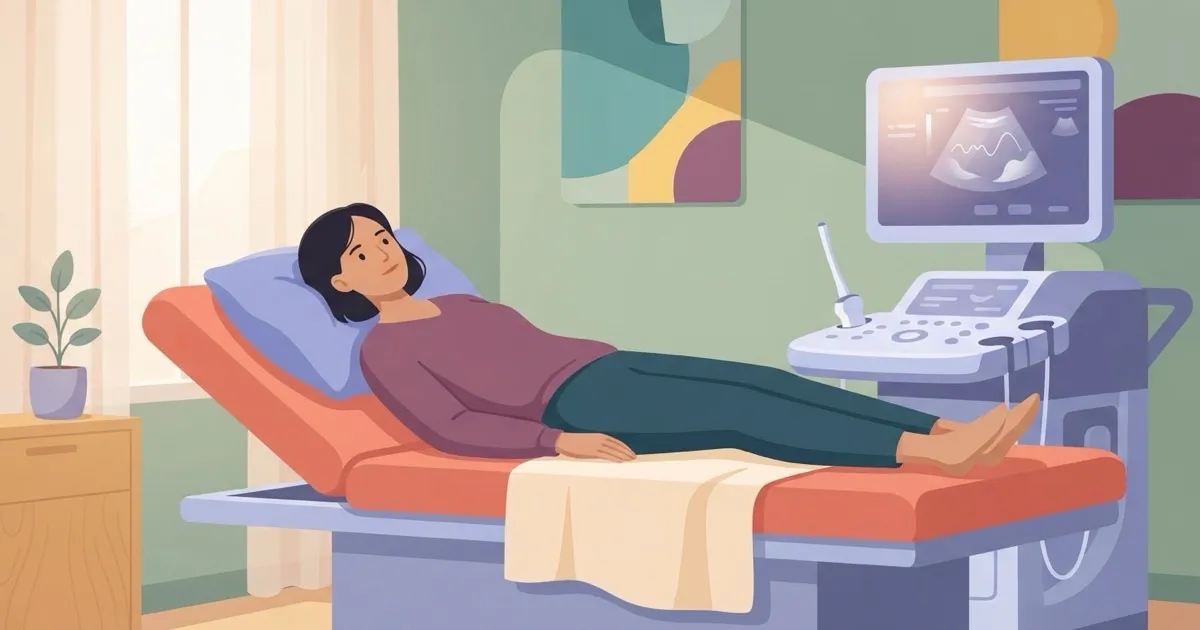
A thin tube passes a little sterile fluid into the uterus while an ultrasound captures the view, and it is usually quick, with mild cramping being normal. You can ask the person scanning to talk you through what they see.
Take notes as the doctor talks, record the meeting (with their permission!) in myStoria, or add a quick voice note to myStoria as soon as possible afterward so that you are not relying on memory alone.
Before you leave the clinic, ask for copies of anything from the visit, like lab results, assessments, or referrals, and upload them to myStoria to keep your history complete. (If you aren't able to get copies, connect with Concierge and we can help you source them!)
Light spotting and mild cramping for a day is common, so take it easy afterward. Note what the scan showed and any change to your plan.
If you have a fever, heavy bleeding, severe pain, or foul-smelling discharge afterward, contact your provider promptly, as these can signal infection. Otherwise, book a follow-up to talk through the findings.
myStoria keeps your results, cycle timing, and questions in one private place, so your appointment starts from a clear picture and nothing gets forgotten. Everything stays with you between visits, so each step builds on the last. When you want to talk something through, you can schedule a video consult in advance with a member of our team, several of whom are nurses.
This page offers general information to help you prepare for and follow up on your sonohysterogram. It is not medical advice, diagnosis, or treatment. If you have a fever, heavy bleeding, severe pain, or foul-smelling discharge afterward, seek care promptly. myStoria video consults are scheduled in advance.