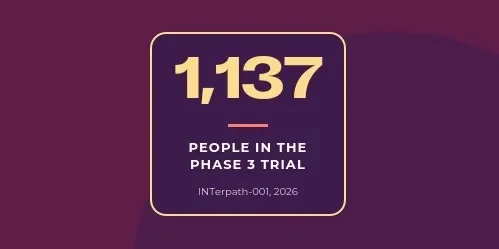
September 4, 2026
The Sleep Apnea Pill Is Real. So Is the Fine Print.

The first once-nightly pill for sleep apnea cleared a real Phase 3 trial, but the viral stat oversells it. What AD109 actually does, and who it's for.

.svg)



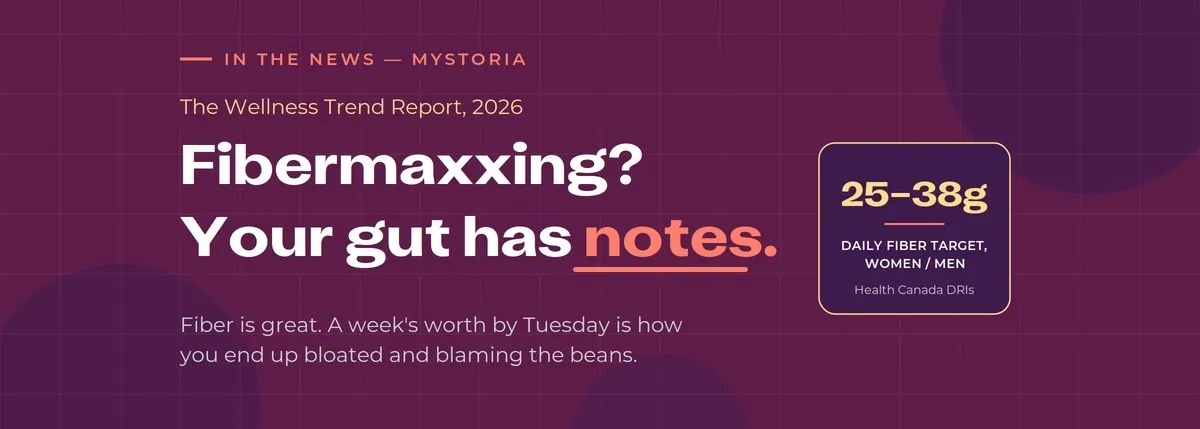
The wellness feed has a new obsession, and for once it's pointing somewhere useful. "Fibermaxxing," eating as much fiber as humanly possible, is all over TikTok right now, the latest entry in the "maxxing" genre where the logic is that if a little is good, a truckload must be better. Fiber is a genuinely funny thing to go viral. It's not collagen, it's not a mushroom coffee, it's the stuff your grandmother called roughage. But of all the things people are maxxing this year, it's one of the few worth the trouble. Most of us actually are running low.
The fiber isn't the problem. The "starting right now, at every meal, with something to prove" energy is the problem.
The number most people are actually missing
Here's the real target. Health Canada's dietary reference intakes put adequate fiber at 25 grams a day for women and 38 for men. Most Canadians land at about half. So the instinct is sound. The average plate is genuinely short, and closing that gap is linked to lower risk of heart disease, type 2 diabetes, and some cancers. Fiber has earned its moment.
The trouble starts with pace and volume. Fiber doesn't ...



Carly Malo is myStoria's Head of Concierge. She has 2 decades of experience in direct nursing care, having worked in long-term care, sports medicine, practical nursing, and fertility/reproductive health.