September 4, 2026
The Sleep Apnea Pill Is Real. So Is the Fine Print.

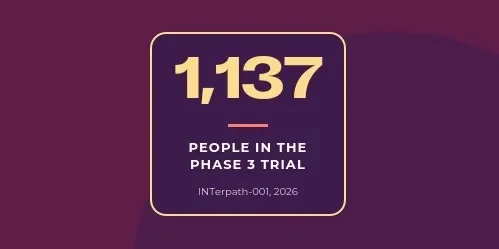
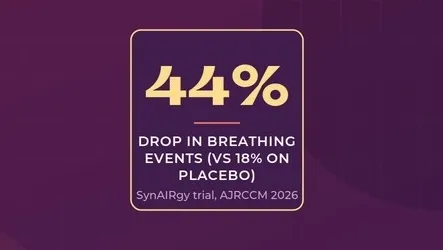
The first once-nightly pill for sleep apnea cleared a real Phase 3 trial, but the viral stat oversells it. What AD109 actually does, and who it's for.

.svg)



It's not a switch that flips one day. It's a slow shift, and you can catch it early.
Insulin resistance is having a moment. It gets blamed for belly fat, fatigue, cravings, brain fog, about half the internet's health complaints. Some of that is fair. A lot of it is noise.
Under the noise is a real change in how your body handles sugar, and it's more common than almost any diagnosis. It can sit in your body for years before a routine blood test picks anything up. And it isn't only a diabetes story.
Here's what insulin resistance actually is, and why catching it in that quiet stretch changes the math.
Insulin is the hormone that moves sugar out of your blood and into your cells to use for energy. Insulin resistance means your cells stop responding to it as well as they should.
Your body's first move is to make more insulin to make up the difference. For a while, that works; your blood sugar stays normal because your pancreas is doing extra work behind the scenes to keep it there. You feel fine. Your bloodwork looks fine. Insulin resistance is thought to show up 10 to 15 years before type 2 diabetes does. That long, silent stretch is the whole reason this is worth understanding.
There's no line you cross where you're suddenly "insulin resistant." It runs on a sliding scale: normal, then rising insulin resistance, then prediabetes, then type 2 dia...



With a background in nursing and a genuine passion for care, Jessie supports myStoria members as part of the Concierge team.