



July 30, 2026
Hyperemesis Gravidarum, Before It Starts

Hyperemesis gravidarum is not morning sickness. Here's what causes it, who's at higher risk, and how to have a treatment plan ready before symptoms start.
.svg)
Walk in prepared. Make the visit comfortable and useful.
General guidance to help you make the most of your visit. Not a substitute for medical advice.



A gynecological exam is a routine part of looking after your health, and a little prep helps you feel comfortable and cover what matters. Here is what to prepare, what to ask, and how to follow up.
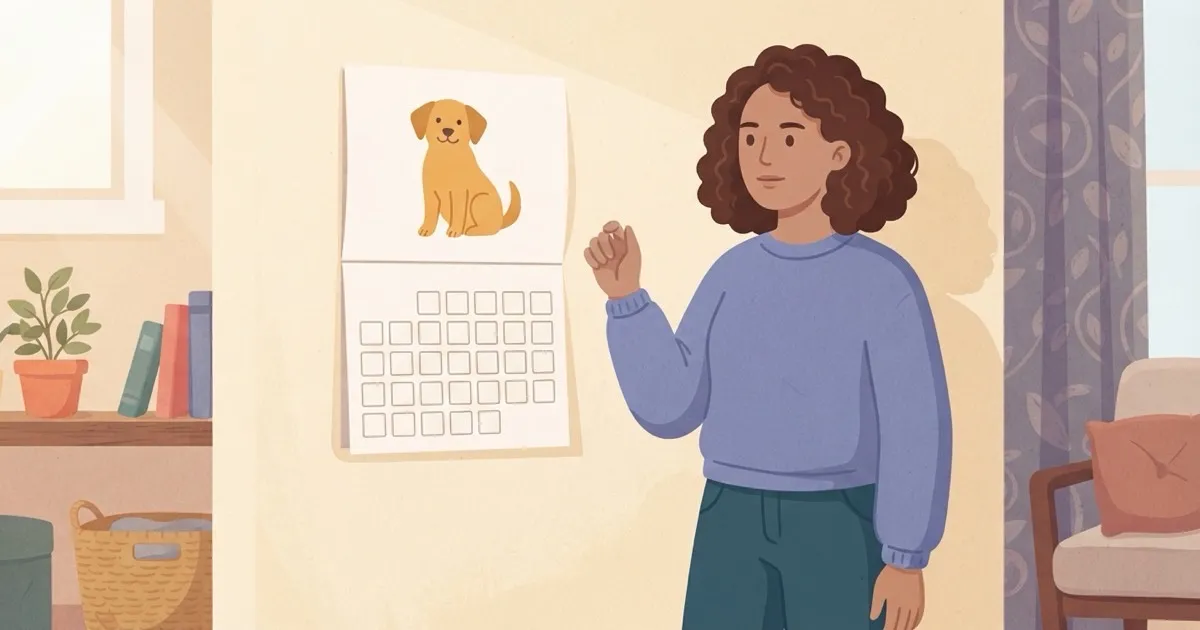
Before the visit, note the date of your last period and your cycle pattern, and any symptoms or changes, like pain, discharge, or bleeding between periods. Note when you last had screening, like a Pap test.
Write down any concerns about contraception, fertility, or menopause, and list your current medications. Jot down questions so they do not slip your mind in the room.
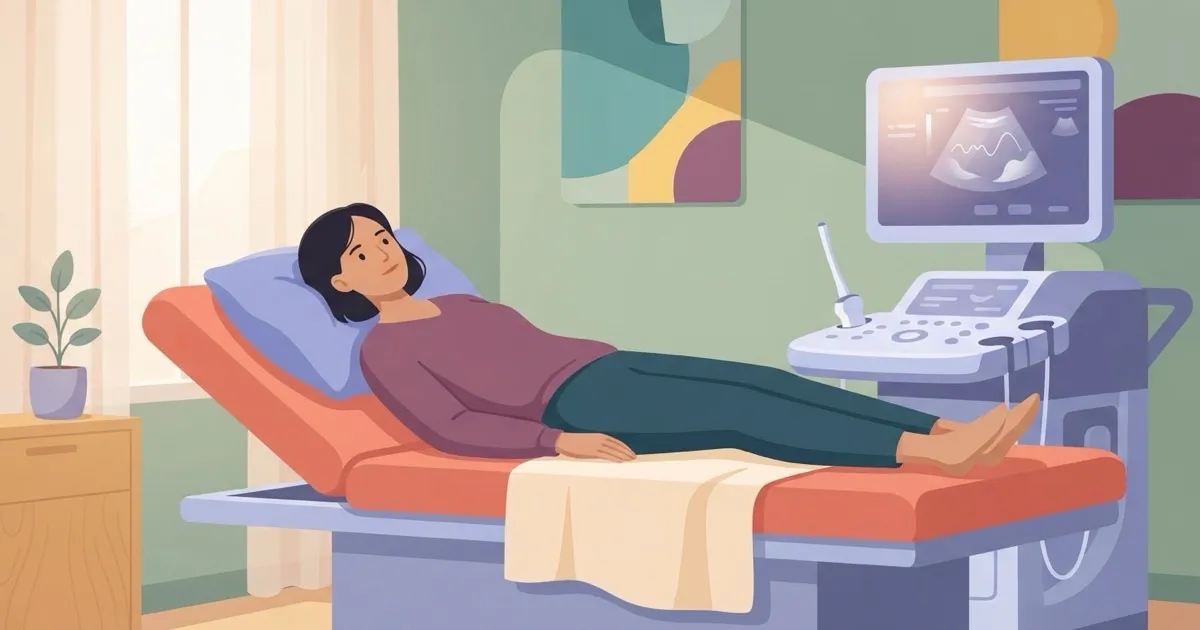
Expect your provider to ask about your cycle and history and, with your consent, do an exam or screening. Share your notes early so the visit covers your concerns.
Take notes as the doctor talks, record the meeting (with their permission!) in myStoria, or add a quick voice note to myStoria as soon as possible afterward so that you are not relying on memory alone.
Before you leave the clinic, ask for copies of anything from the visit, like lab results, assessments, or referrals, and upload them to myStoria to keep your history complete. (If you aren't able to get copies, connect with Concierge and we can help you source them!)
After the visit, note any results and when to expect them, and put your next screening in your calendar. A clear record makes each visit easier.
If you have heavy bleeding, severe pain, or symptoms that concern you before your next visit, contact your provider rather than waiting.
myStoria keeps your cycle history, symptoms, and questions in one private place, so your visit starts from a clear picture and nothing gets forgotten. Everything stays with you between visits, so a follow-up builds on the last. And when you want to talk something through, you can schedule a video consult in advance with a member of our team, several of whom are nurses.
This page offers general information to help you prepare for and follow up on your gynecological exam. It is not medical advice, diagnosis, or treatment. If you have heavy bleeding, severe pain, or concerning symptoms, contact your provider. myStoria video consults are scheduled in advance.
