.svg)
Name what is happening. Leave with a way forward.
General guidance to help you make the most of your visit. You deserve support, and this is not a substitute for medical advice.



Stress is easy to wave off and hard to describe on the spot. A few honest notes about how it is showing up help your doctor take it seriously and respond to it.
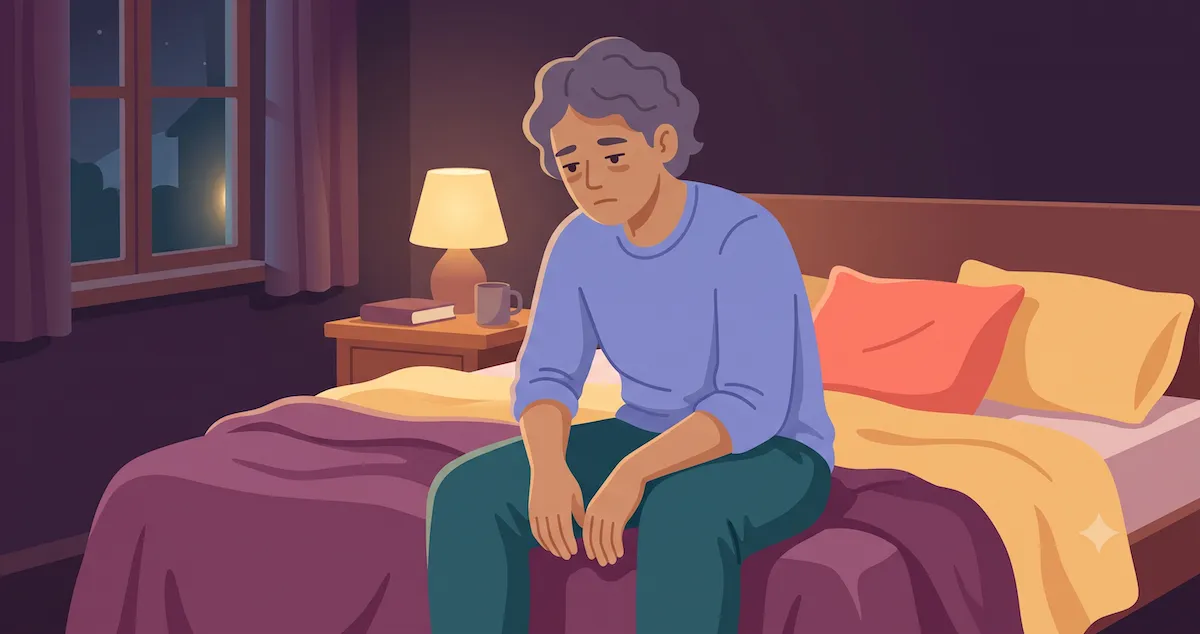
Track how stress shows up for you, in sleep, focus, mood, appetite, or physical symptoms like headaches and a racing heart. Note what has been happening in your life and how long you have felt this way.
Write down what helps, even a little, and what makes it worse. List your current medications and anything you have already tried, from exercise to time off, so the conversation starts from where you are.
Your doctor may ask about your sleep, your mood, and what is going on at home and work, and check whether anything physical is involved. Share your notes early so the visit gets to support quickly.
Take notes as the doctor talks, record the meeting (with their permission!) in myStoria, or add a quick voice note to myStoria as soon as possible afterward so that you are not relying on memory alone.
Before you leave the clinic, ask for copies of anything from the visit, like lab results, assessments, or referrals, and upload them to myStoria to keep your history complete. (If you aren't able to get copies, connect with Concierge and we can help you source them!)
Keep a short daily note on how you are doing and whether the plan is helping. Small, steady change is the goal, and having a record makes the next conversation easier.
If things are not improving, or you feel worse, book a follow-up sooner rather than later. If you ever feel unable to keep yourself safe, contact a crisis line or emergency services right away.
myStoria keeps your notes, symptoms, and questions in one place, so every appointment starts prepared and picks up cleanly at the next one. When you want to talk something through between visits, you can schedule a video consult in advance with a member of our team, several of whom are nurses.
This page offers general information to help you prepare for and follow up on a stress management appointment. It is not medical advice, diagnosis, or treatment. If you are in crisis or having thoughts of harming yourself, contact a crisis line or emergency services right away. myStoria video consults are scheduled in advance.