.svg)
Walk in with the full picture. Get to a real answer.
General guidance to help you make the most of your visit. Not a substitute for medical advice.


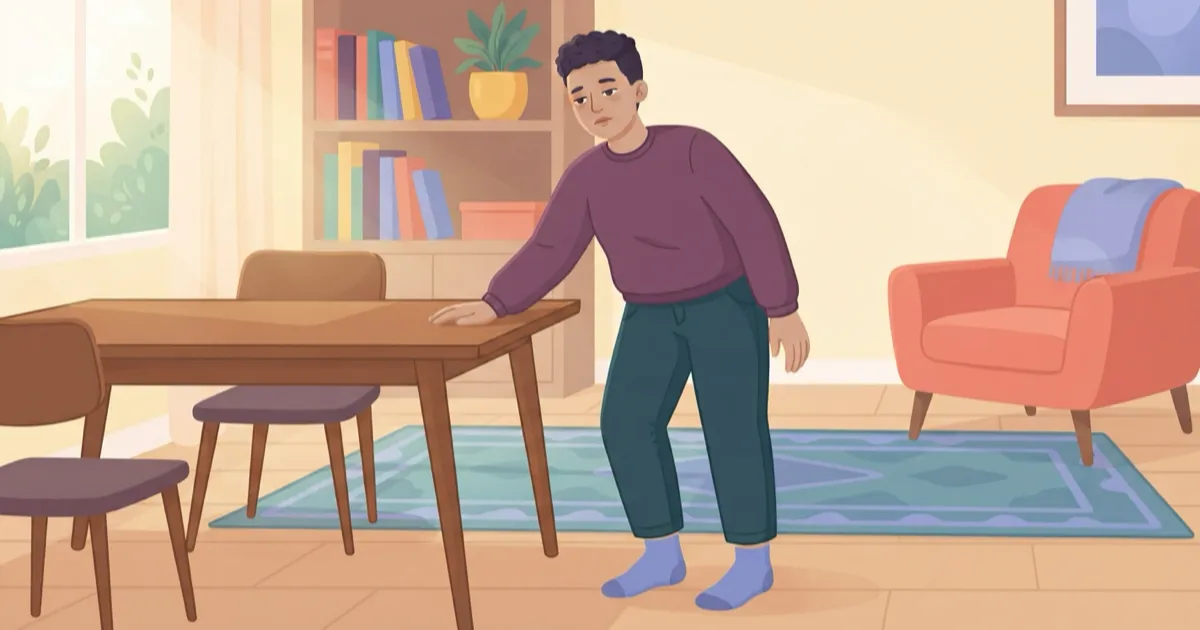
Feeling short of breath can have many causes, so a clear account of when it happens and what comes with it helps your doctor narrow things down. Here is what to prepare, what to ask, and how to follow up.
Track when the breathlessness happens, whether at rest or with activity, how long it lasts, and how much it limits you. Note anything with it, like chest tightness, a cough, wheezing, or swelling in your legs.
Write down how long this has been going on and anything that eases or worsens it. List your current medications, any history of asthma, heart, or lung conditions, and whether you smoke.
Expect your doctor to listen to your heart and lungs, ask about the pattern, and check your oxygen and possibly order tests. Lead with your notes so the visit focuses on finding a cause.
Take notes as the doctor talks, record the meeting (with their permission!) in myStoria, or add a quick voice note to myStoria as soon as possible afterward so that you are not relying on memory alone.
Before you leave the clinic, ask for copies of anything from the visit, like lab results, assessments, or referrals, and upload them to myStoria to keep your history complete. (If you aren't able to get copies, connect with Concierge and we can help you source them!)
After the visit, track when the breathlessness happens and whether the plan is helping, along with any test results. A clear record shows whether things are improving.
If you have sudden or severe breathlessness, chest pain, blue lips, or you cannot speak in full sentences, call your local emergency number right away. Otherwise, book a follow-up with your notes in hand.
myStoria keeps when the breathlessness happens, what comes with it, and your relevant history in one place, so your appointment starts from a clear pattern rather than a single episode. Everything stays with you between visits, so a follow-up builds on the last. And when you want to talk something through, you can schedule a video consult in advance with a member of our team, several of whom are nurses.
This page offers general information to help you prepare for and follow up on your shortness of breath appointment. It is not medical advice, diagnosis, or treatment. If breathlessness is sudden or severe, or comes with chest pain, blue lips, or trouble speaking, call your local emergency number. myStoria video consults are scheduled in advance.